
2. Principles & Questions
Lenses to make sense of problems we see.

I use these questions and principles inside the work context. They’re written broadly for professionals already working, and students preparing to enter the job market.
We’ll apply them specifically throughout this substack.
PRINCIPLE #1: KEEP IT SAFE
Feeling safe and in control while solving problems and making decisions is a core human need.

1. What’s required for professionals to feel safe and in control when solving problems or making decisions?
This is true for children, this is true for adults. When that sense of control slips under the pressure of uncertainty, thinking narrows. Self preservation impulses take over, people become reactive. “Watch out! Protect yourself.” The nervous system shifts into survival mode. Teams default to leader opinions, old playbooks, or silence. Old habits take over. These are physiological processes, they’re foundational.
Most of us aspire to feel calm, clear, and capable under pressure. The gap between that aspiration and daily experience is where much of the strain in modern work lives.
AI is challenging this core human need in new, unprecedented ways.
PRINCIPLE #2: DON’T OUTSOURCE YOUR MIND
Problem solving and decision making should not be outsourced to machines.
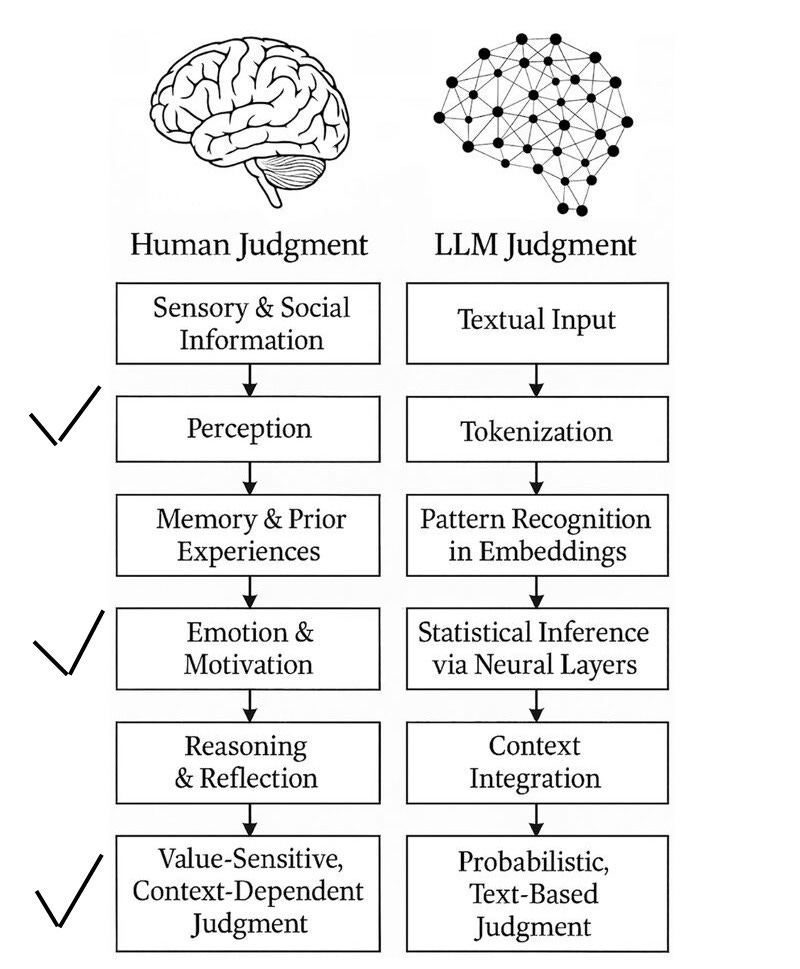
2. If problem solving and decision making are so central to performance, what trends are making them harder to do well?
Solving problems and making decisions are fundamental human skills that allow us to navigate our environment. Our capacity to do them well predicts performance, judgment, and adaptability.
If we give these up, what is left?
Today, many people feel less confident using them, not more. As the context for decisions and problem solving becomes more complex, the impulse is increasingly to hand the work over to AI.
The cost isn’t abstract. When people rely on machines to think for them, confidence erodes, decision quality degrades, and orientation is lost.
At scale in organizations, this shows up as slower execution even as everything speeds up. When judgment isn’t exercised, the mental muscles required to use it atrophy.
At scale in young people, it shows up earlier: the cognitive “muscle” needed to navigate hard problems or decisions never fully develops.
In both cases, the same thing is lost — a felt sense of control.
PRINCIPLE #3: SKILLS OVER AWARENESS
Professional capacity is built through deliberate skill acquisition, not information exposure.
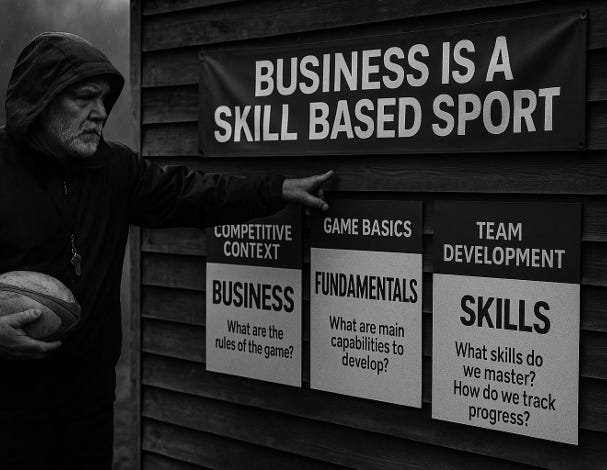
3. Where are we assuming that awareness will translate into professional capability?
We talk about skills constantly. Leadership, critical thinking, adaptability. But knowing about skills doesn’t mean someone can use them when pressure hits.
Most of us sense this intuitively. The frustration comes from not knowing what actually builds capacity, especially when the environment won’t slow down to accommodate learning and development.
PRINCIPLE #4: PLAY TO BUILD
Game-based learning is more fun, fast, and effective.
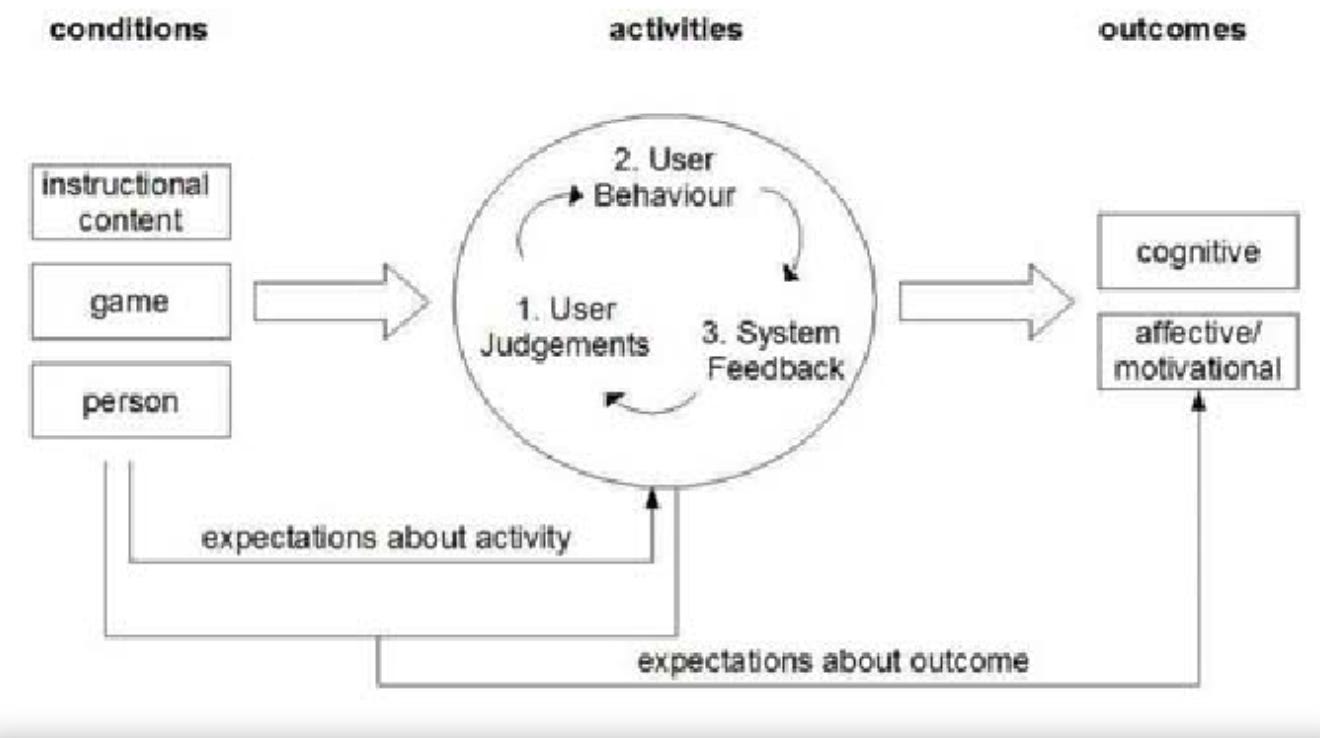
4. What model of skill acquisition is being used — traditional learning, gamification, or game-based learning?
Traditional learning is passive. It transfers information, but it doesn’t reliably build skill. Gamification often remains passive as well, adding game mechanics as an overlay while leaving the underlying learning model unchanged.
Game-based learning is different. The game is the learning. Skills are acquired through goal-driven practice with immediate feedback. Neural wiring happens faster, with fewer wasted repetitions. The advantage of active learning over passive learning isn’t marginal, it’s structural.
Skill acquisition is most effective when development is designed around repetitions at the edge of capability, progress is visible, and feedback is fast. It still requires effort. But when learning is game-based, fewer high-quality reps produce better outcomes, Momentum builds naturally. Capability compounds instead of stalling.
PRINCIPLE #5: TRAIN FOR TURBULENCE
Pace, pressure, and novelty are here to stay, we have to up-level our ability to handle it.
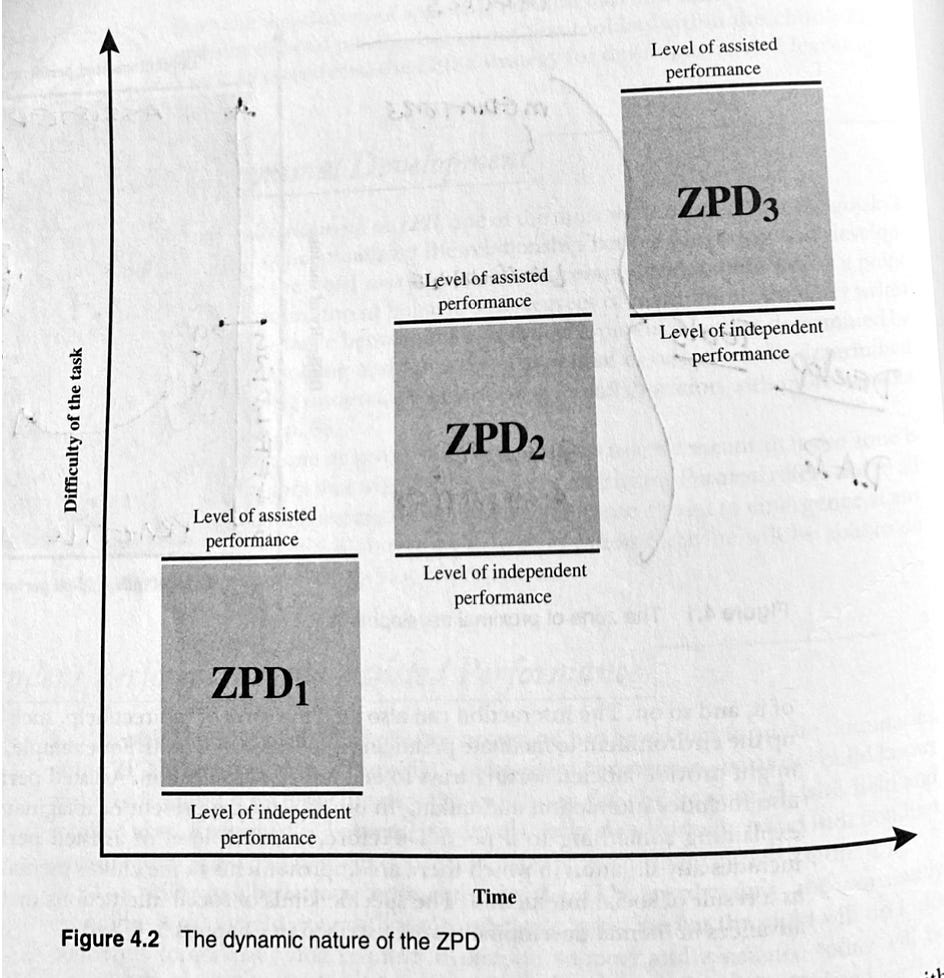
5. In this AI-accelerated world, does the “safety” strategy aim to avoid the pressure, or handle the pressure?
Safety in an AI-accelerated world doesn’t come from avoiding turbulence. It comes from building the capacity to operate inside it.
Avoiding pressure isn’t realistic. AI velocity is not going anywhere. Operating without a way to handle that pressure takes a toll.
There’s a difference between chaos and challenge, the line between them is often capability.
When confidence is grounded in competence, the same conditions feel fundamentally different. Cognition stays online. Judgment improves. Outcomes change.
In the end, winners and losers won’t be determined by who faced less pressure, but by who was more deliberate about developing the capacity to handle it.
#6 PRINCIPLE: STRUCTURE CREATES CLARITY
Clear thinking doesn’t happen by accident; it requires shared structure.
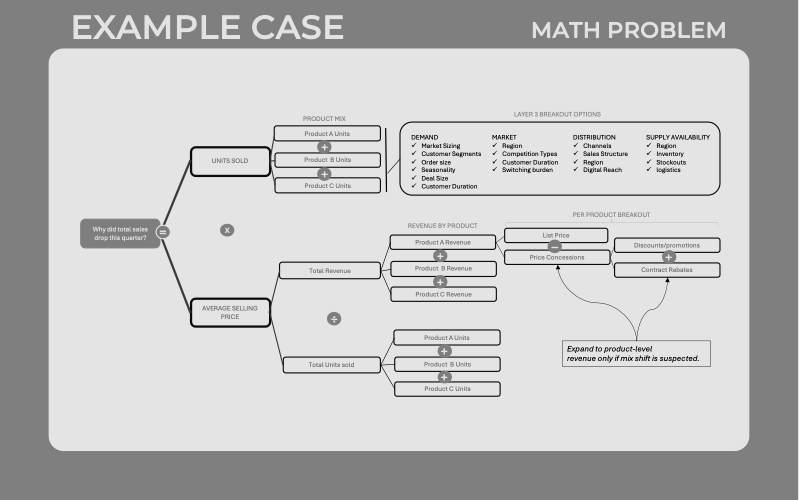
6. Does the culture explicitly help hardworking people think clearly – as individuals AND as groups?
Intelligence and effort are abundant. Structure is not.
Without common ways to frame problems, test assumptions, and navigate decisions, even strong teams drift.
The aspiration is clarity. The lived experience is often a confusion.
When confusion becomes the background condition of work, it solidifies as culture. Subtle, persistent, and rarely examined, a culture of confusion sets the logic for how things get done. But over time it slows progress, confidence erodes, and staff are condition to align to leaders who operate from status protection. If status is challenged, it provokes threat-based reactions, which cause cascades of symptoms that we recognize as “corporate politics”, power struggles, personality conflict, and a reliance on formal authority.
Principle #7: Speed and rigor are twin requirements going forward, you need them both.
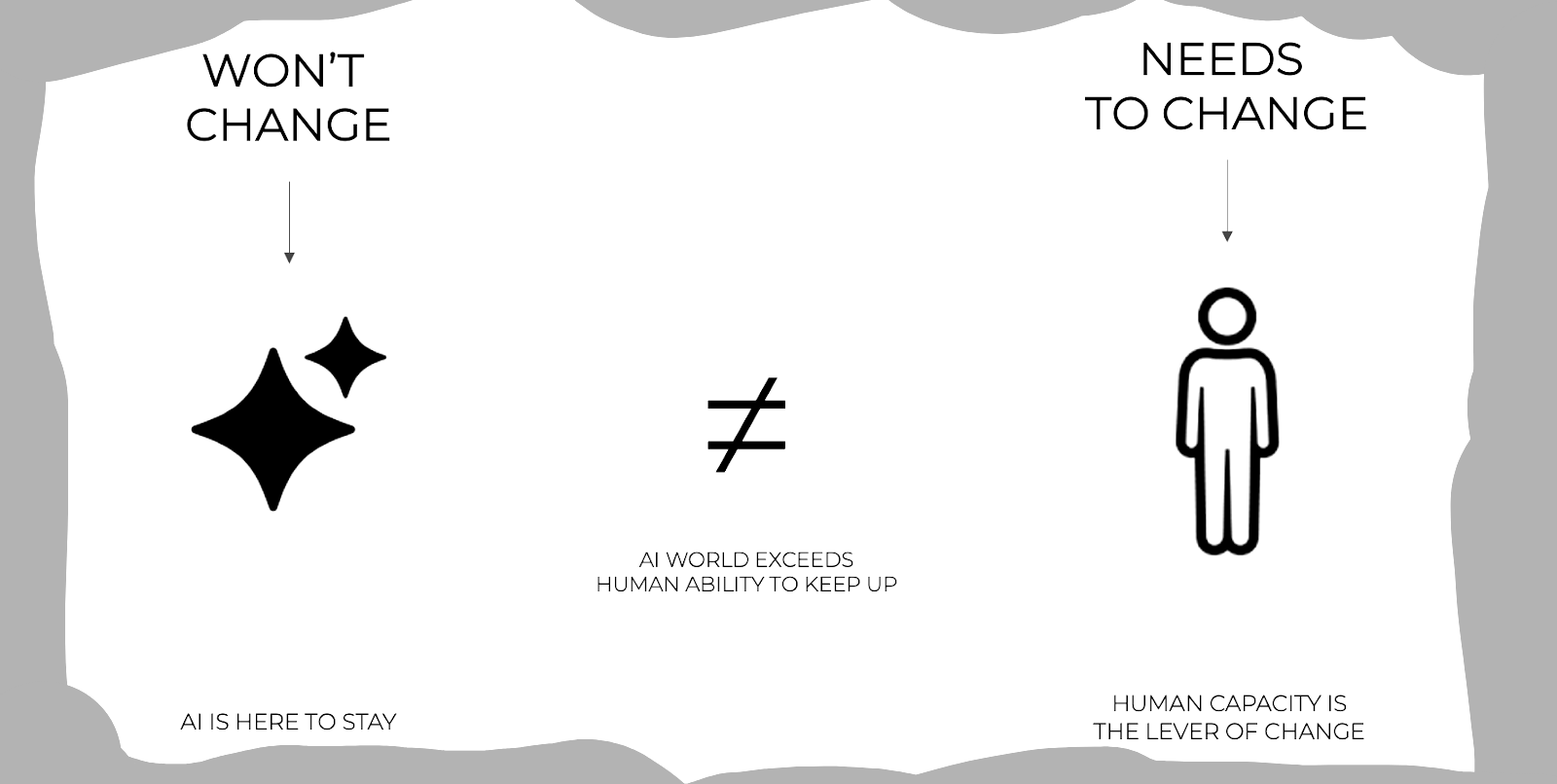
7. Are speed vs rigor seen as a tradeoff, or a source of competitive advantage?
Many assume speed and rigor are tradeoffs, like an axiom where you get one or the other, or a medium amount of both. That’s an old paradigm.
In the modern work context, speed and rigor are twin requirements, not a tradeoff.
Modern work seems to demand both immediacy and quality. But we often act as if we must choose and compromise. Or worse, we act as if we should have both, but don’t develop the capability to work with speed and rigor. None of this feels sustainable.
When that tension goes unresolved, people rush and regret it, or slow down and feel exposed, or assume they have them both but don’t.
Game On AI starts here.
Not with tools or answers, but with a shared exploration of what’s really at play and why it feels the way it does.
These questions kept showing up in my leadership conversations, in teams under pressure, in my own attempts to stay oriented. The questions don’t age quickly because they’re grounded in how humans actually work.
If this feels familiar, let me know. And if you want to explore them more deeply, this is where I’ll be working them through carefully, practically, and in the open.